Home » General information » Fibers and Liquids: Essential Nutrients for Healthy Bowel Movements
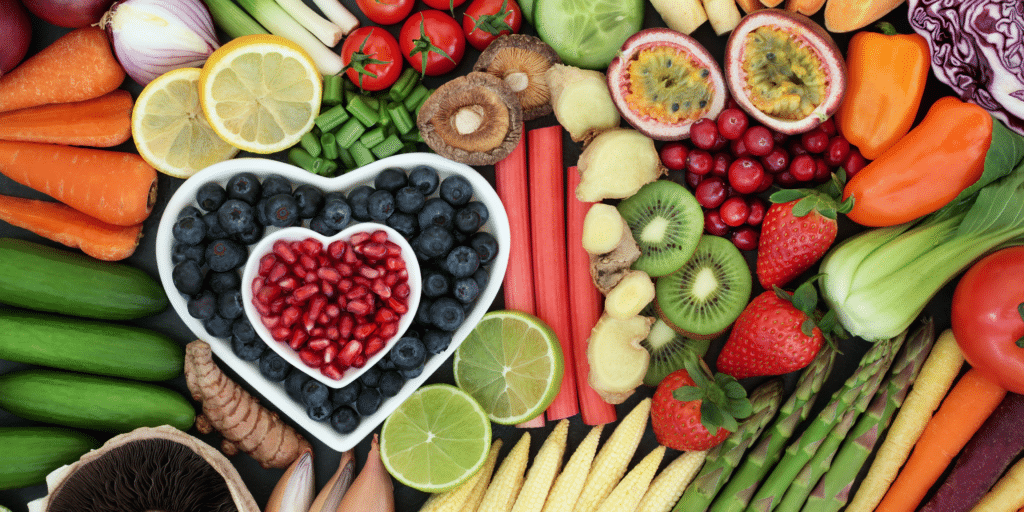
Fibers and liquids are among the most important nutrients for maintaining a healthy bowel movement. Fiber is mostly found in natural foods such as fruits, vegetables, wholegrain pasta, potatoes, legumes, and bread. It’s recommended to consume around 40 grams of fiber daily to support proper digestion.
Eating and drinking healthily often sounds easier than it actually is. Everywhere you turn, you’re bombarded with nutritional advice. One source says “no carbs,” another says “no salt,” and your neighbor swears by eating just one meal a day. With so many conflicting tips, how do you know what’s right? Most of us want to eat well and look good—but those goals don’t always align perfectly. Still, there are plenty of sound health tips that truly benefit your body, especially your digestive system.
By now, we all know that drinking two liters of water a day can be a real challenge. So, let’s explore some simpler, practical tips for improving both your bowel health and overall well-being.
The Goal: Healthy Bowel Movements
Hopefully, your goal is a healthy bowel movement as you’re reading this article. If you’re looking for more tips, advice, or detailed information, feel free to browse the Doctor Pelvis website. There’s plenty of in-depth content available, including helpful tips and targeted exercises for bowel and pelvic health.
Fiber: Fuel for Your Gut Health
“Fiber” is the magic word when it comes to digestive health. It sounds simple enough—eat more of it and problem solved. But not every food contains sufficient fiber. As mentioned, natural products like fruits, vegetables, wholegrain pasta, potatoes, legumes, and bread are key sources.
While 40 grams a day is the goal, many people still find themselves unsure of what counts. Take bread, for example. Many believe darker bread is healthier—but that’s often just clever marketing. True wholegrain bread is indeed beneficial, and while grains and fibers can give it a slightly darker hue, it should still be light brown. Very dark bread often gets its color from added ingredients like cocoa. Don’t assume darker means healthier. Always read food labels to ensure you’re getting actual fiber-rich products.
The Nutrition Center also offers a simple guide to help calculate your daily fiber intake. Evaluate how much fiber you’re consuming now. Maybe you only need a minor adjustment, or perhaps a bigger change is in order. Either way, it’s manageable. For example, if you regularly eat white bread or plain pasta, consider switching to wholegrain versions. It might take some getting used to, but it’s both easy and healthy.
Healthy Eating Doesn’t Have to Break the Bank
You don’t need to jump on every trendy, expensive health food bandwagon. Items like quinoa or almond-flour crackers may sound appealing, and they aren’t necessarily unhealthy, but there are affordable alternatives. Simply eating fruits and vegetables regularly can provide all the fiber you need. You may consume fiber in a less trendy way—but in a much more budget-friendly one.
Small changes can make a big difference. Keep wholegrain products in mind, and consider adding chickpeas occasionally. With a little effort, it becomes easier to transition to a healthier diet—and even easier to stick to it. For more ideas on affordable, healthy eating, check out our nutrition advice page.
Poor Nutrition Can Lead to Constipation
Constipation, or obstipation, is a common result of poor dietary choices. While medical conditions can cause it, eating habits often play a major role. Review your diet to determine what changes might help. Focus on increasing fiber intake and drinking enough water. Aim for two liters of water a day—this is a realistic goal. Consistency is key.
Eating at regular intervals helps too. Breakfast kickstarts your digestion, while lunch keeps your energy and digestion flowing. Add in a piece of fruit between meals to satisfy cravings. Eating five times a day, including healthy snacks, is perfectly fine.
Still Constipated Despite Eating Well? Consider Fiber Types
If you’re already eating healthily and regularly but still experiencing constipation, the issue might be more specific. Not all fiber types benefit the digestive system in the same way. There are fermentable and non-fermentable fibers, and both have different effects. It’s important to check which kinds of fiber your diet includes.
For more detailed information on fiber types and their effects, visit our article on fiber and digestion.
Hydration Is Crucial for Digestion
Water plays a vital role in the metabolic process. The more liquid available in your system, the easier it is for food to move through your intestines. Your body reuses a large volume of liquid during digestion. Normally, digestion takes around 24 hours. The longer the process takes, the more your stool dries out—leading to a higher risk of constipation.
When Is Constipation More Likely? Four Common Situations:
- During pregnancy
- During menstruation
- During menopause
- As we age
Hormonal changes during these stages can negatively affect the intestines. Liquids are absorbed faster, which increases the risk of constipation. Pregnancy can also physically impact the bowels by slowing digestion—often a key cause of constipation.
If you’re not getting enough fiber from food, consider adding wheat bran. Bran contains compounds that help separate beneficial nutrients from less helpful fibers.
Toilet Habits Matter More Than You Think
Your bowel issues might also stem from how you use the toilet. Many people unknowingly develop poor toilet habits. It’s essential to understand proper toilet posture and behavior.
Your pelvic floor muscles—including the anal muscles—need to stay contracted throughout the day to prevent accidents. But during a bowel movement, they must relax. This is where many go wrong. People often push hard, which only causes these muscles to contract more. Pushing too much is not the solution.
Also, don’t ignore the urge to go. The longer stool stays in your system, the drier and harder it becomes—making it more difficult to pass. So pay close attention to both how and when you use the toilet.
For more in-depth toilet tips, check out our toilet behavior guide that contains practical advice to improve your bathroom experience.
Even if you aren’t currently experiencing issues, these tips can serve as useful prevention.
Exercises to Support Bowel and Pelvic Health
Strengthening your pelvic floor muscles and improving core stability can support healthier bowel movements. Doctor Pelvis offers a wide range of exercises specifically designed to help with bowel function and pelvic health. Visit our exercise library to find routines that suit your needs.
For personalized guidance, check the pelvic floor exercises page to learn how to properly engage and relax these muscles.
Looking for More Information?
Hopefully, you found this information helpful! We’ve explored the best foods and drinks to support healthy bowel movements and touched on how your habits affect your digestive health. If you’re curious for more, feel free to explore the rest of the website. It’s packed with detailed articles, helpful tips, and exercises. You’ll also find plenty of content on related symptoms and solutions.
Just click the blue words throughout the article to navigate to relevant pages directly.